More Blogs for You
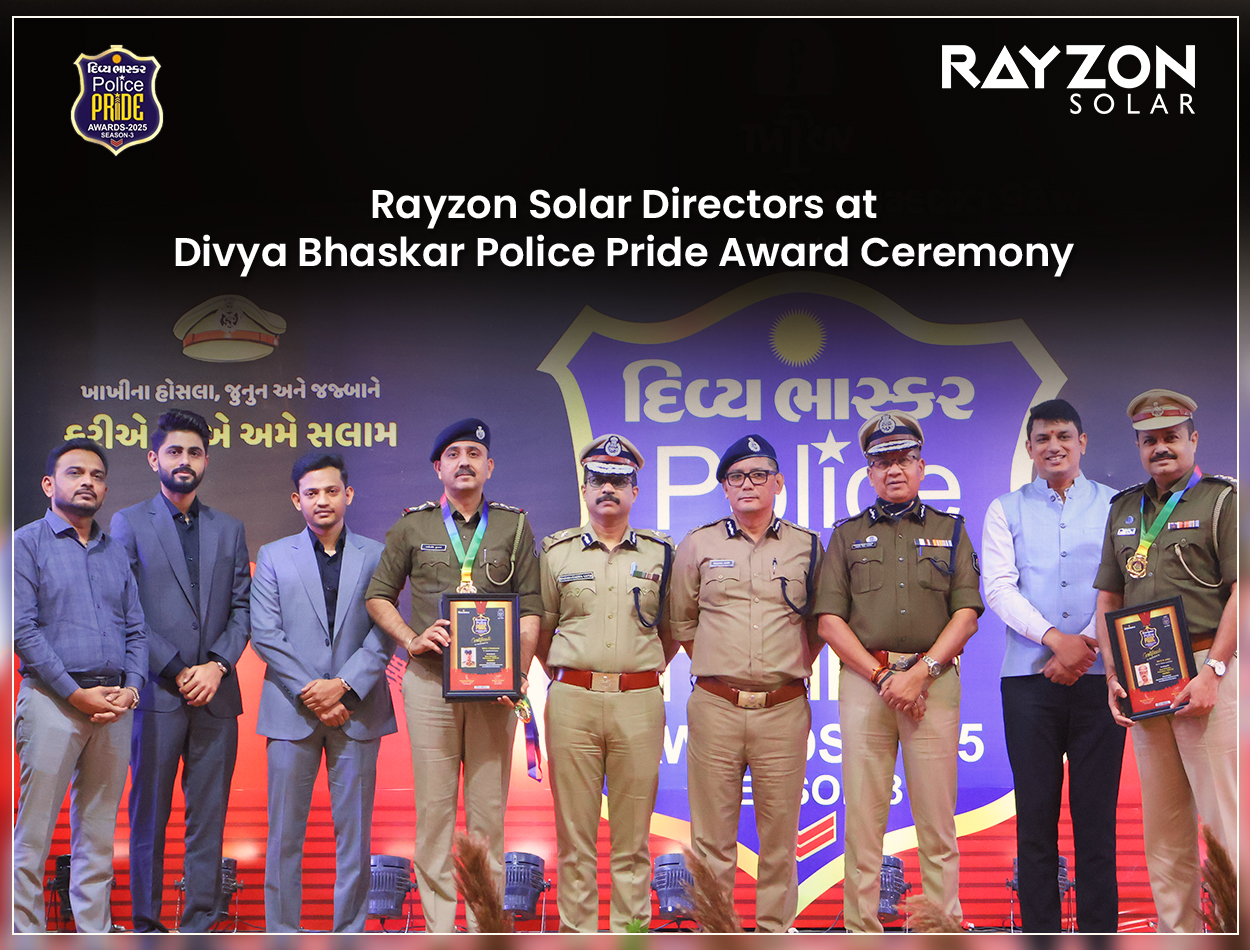
Rayzon Solar Directors Join in Honouring Bravery and Dedication at Divya Bhaskar Police Pride Award Ceremony
The Divya Bhaskar Police Pride Award is an initiative to honor and recognize the outstanding contributions and dedication of police officers in maintaining law and order, ensuring public safety, and upholding justice. This award acknowledges the bravery, integrity, and selfless service of police personnel who go above and beyond in their duty to protect citizens. By celebrating the exceptional efforts of the police force, the Divya Bhaskar Police Pride Award aims to inspire others in law enforcement and reinforce the importance of security, justice, and community welfare in society.
Read More..
Solar Power for Commercial Buildings: Key Considerations
The increasing shift towards renewable energy is transforming the way industries and businesses operate. Solar power has emerged as a practical and sustainable solution for commercial buildings looking to cut energy costs and reduce their carbon footprint. In this blog, we delve into the key considerations for adopting solar power in commercial buildings and how Rayzon Solar, a leading manufacturer of high-quality PV modules, enables this transformation.
Read More..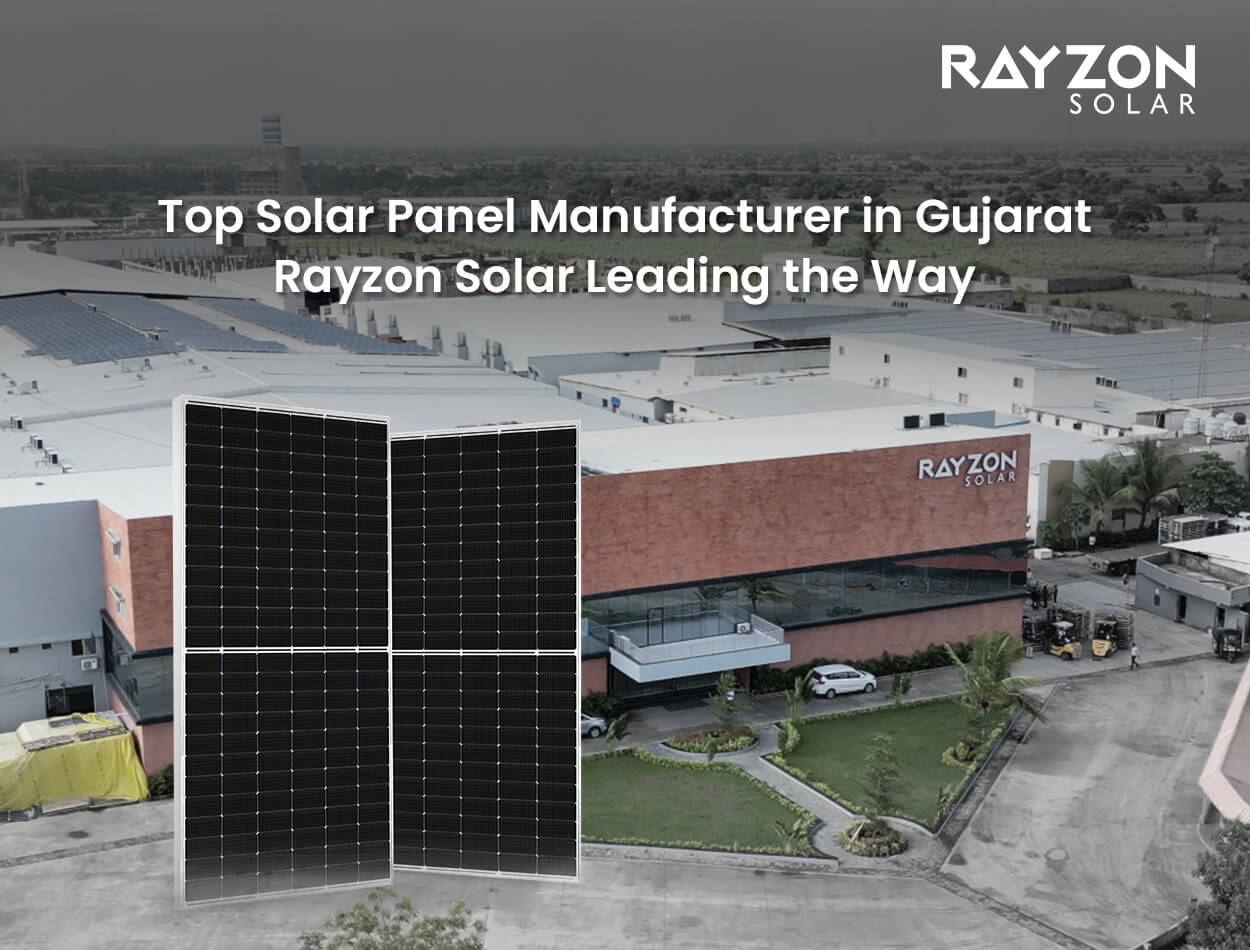
Top Solar Panel Manufacturer in Gujarat: Rayzon Solar Leading the Way
In today's world, the demand for clean and sustainable energy is more critical than ever. India is leading the way in adopting renewable energy, with solar energy emerging as a top contender to replace traditional power sources. Rayzon Solar is the top solar panel manufacturer in Gujarat. Rayzon Solar is well-known for its innovation and quality. Located in Surat, Gujarat, the company is dedicated to producing high-efficiency solar panels to meet the growing energy needs of both residential and commercial sectors.
Read More..