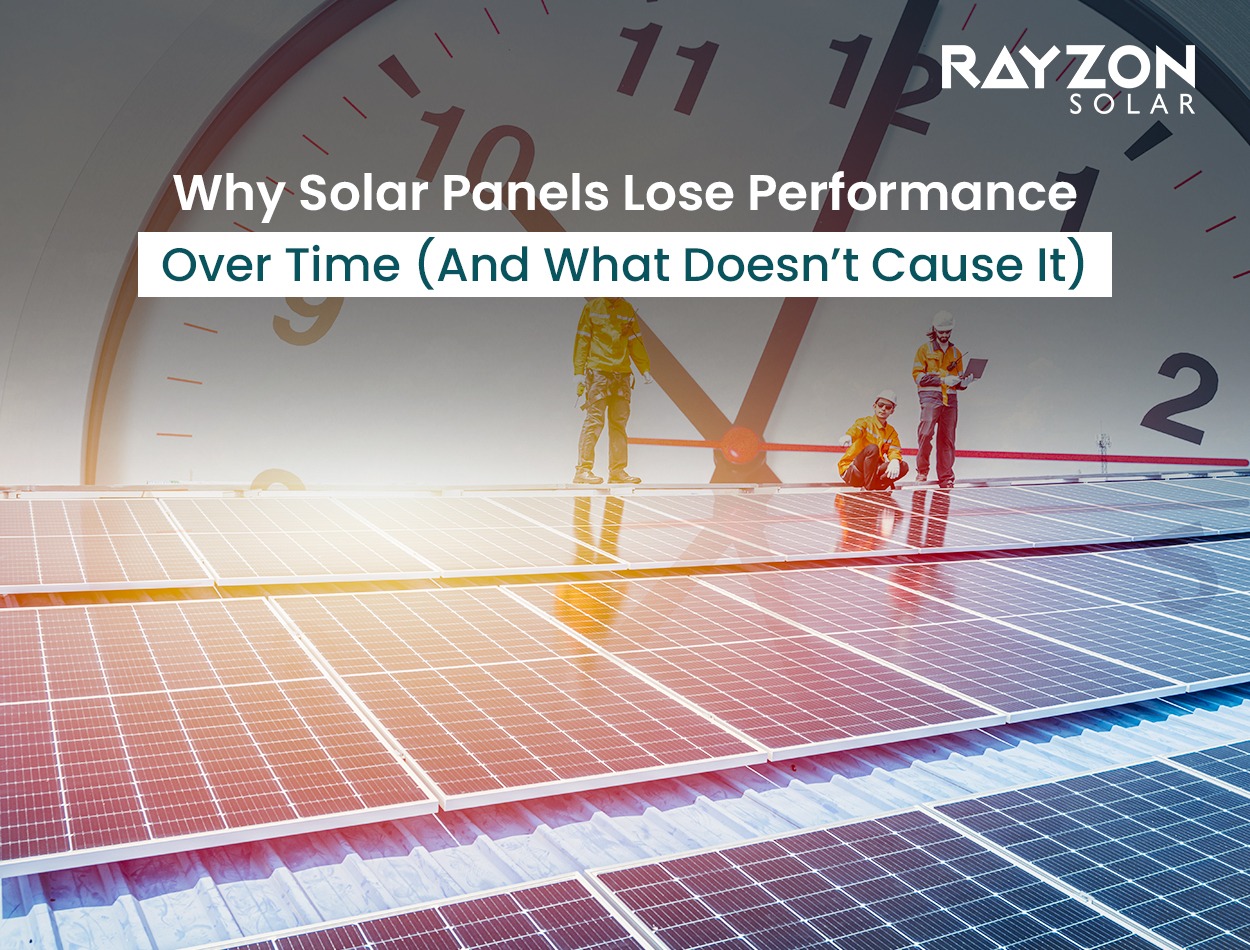
When people hear that solar panels produce slightly less electricity each year, the immediate assumption is that it's due to damage. Heat damage. Dust damage. Rain damage. Sometimes, even “panel burnout.” In reality, most solar panels lose generation for reasons that are far quieter — and far less dramatic. Understanding this difference matters because it shapes how you choose panels, judge system health, and plan for the long term.
Read More..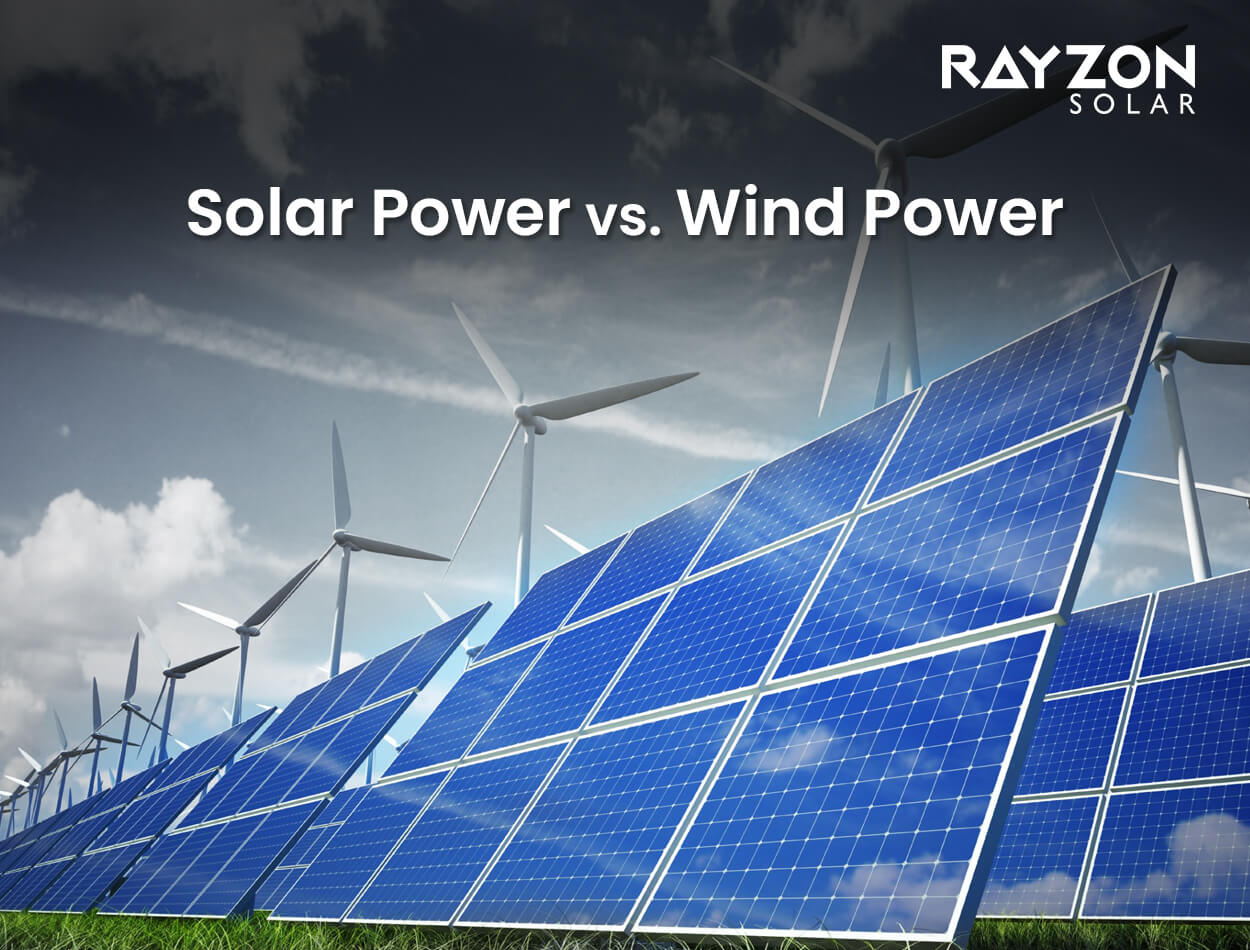
Renewable energy is rising, and solar power and wind power are at the forefront of leading us towards a more sustainable future. These two technologies offer numerous benefits and also present challenges. Understanding the details of each can help you determine which option best suits your specific needs. In this article, we delve into the rich history of solar power and wind power, comprehensively compare solar panels and wind energy, and explore which of the two emerges as the superior choice for renewable energy solutions. Additionally, we delve into the specific advantages and disadvantages of each technology, with a focus on prominent market players such as Rayzon Solar.
Read More..
India stands at a pivotal moment in its energy transition journey. With a bold vision to become a global leader in clean energy, the country has pledged to achieve 500 GW of non-fossil fuel energy capacity by 2030. This commitment reflects India’s strategic shift towards sustainability, driven by the twin goals of energy security and climate responsibility. As the world's third-largest emitter of greenhouse gases, India recognises the urgent need to transition from coal-dominated power systems to renewable energy sources like solar, wind, hydro, and bioenergy. This ambitious roadmap is not just about adding capacity—it’s about reshaping the entire energy ecosystem to ensure a greener, more resilient future.
Read More..