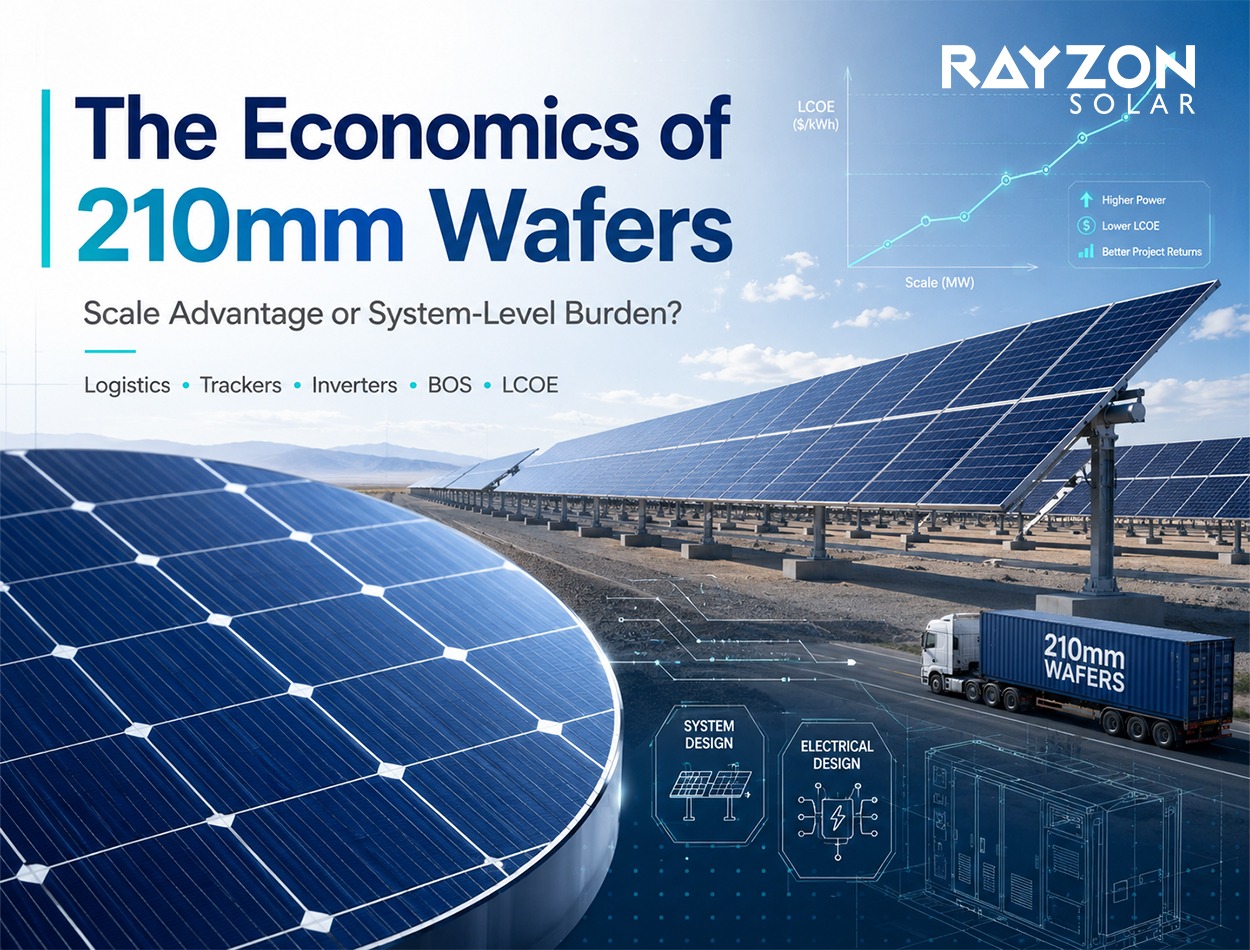
The Economics of 210mm Wafers: Scale Advantage or System-Level Burden?
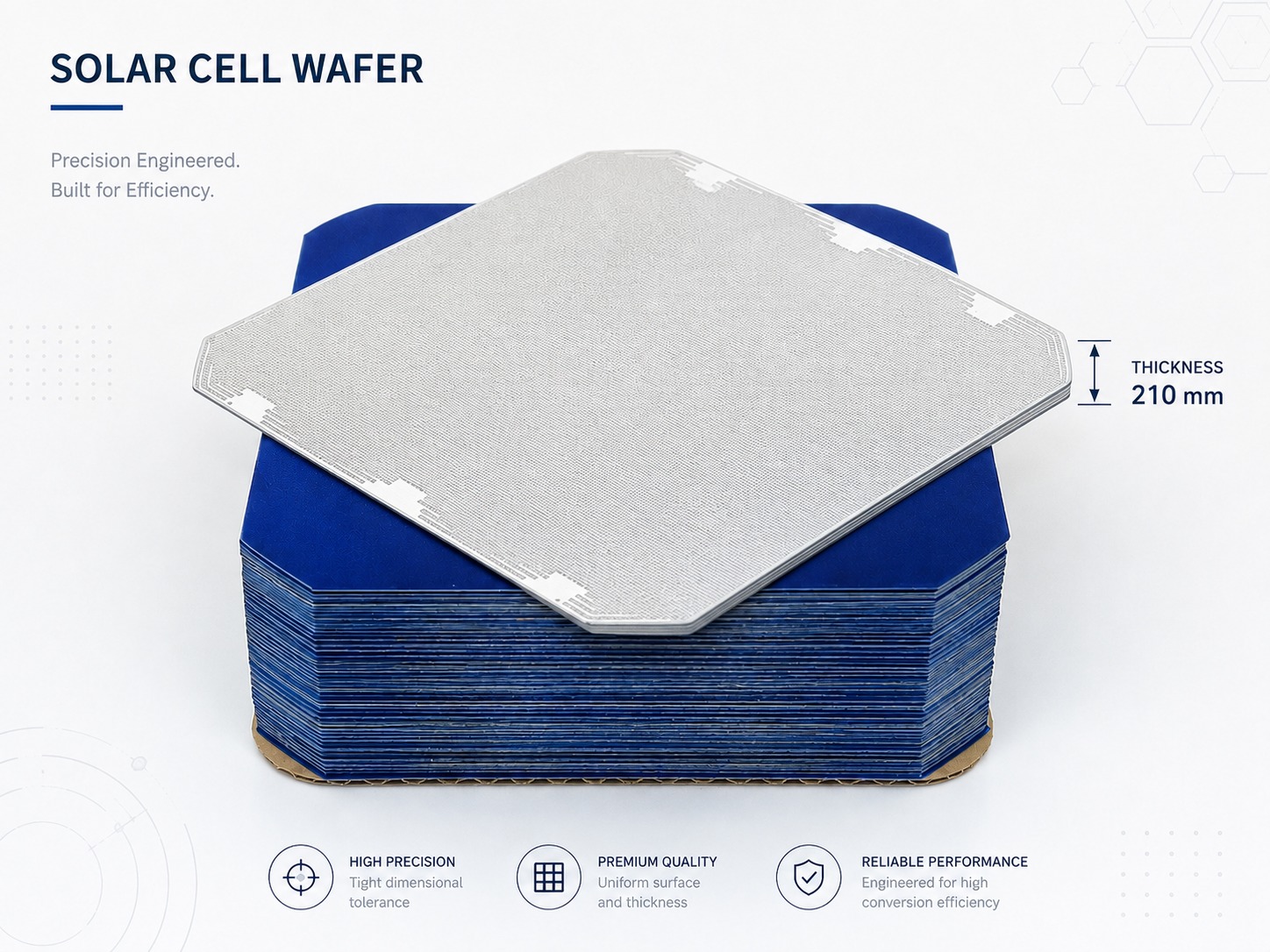
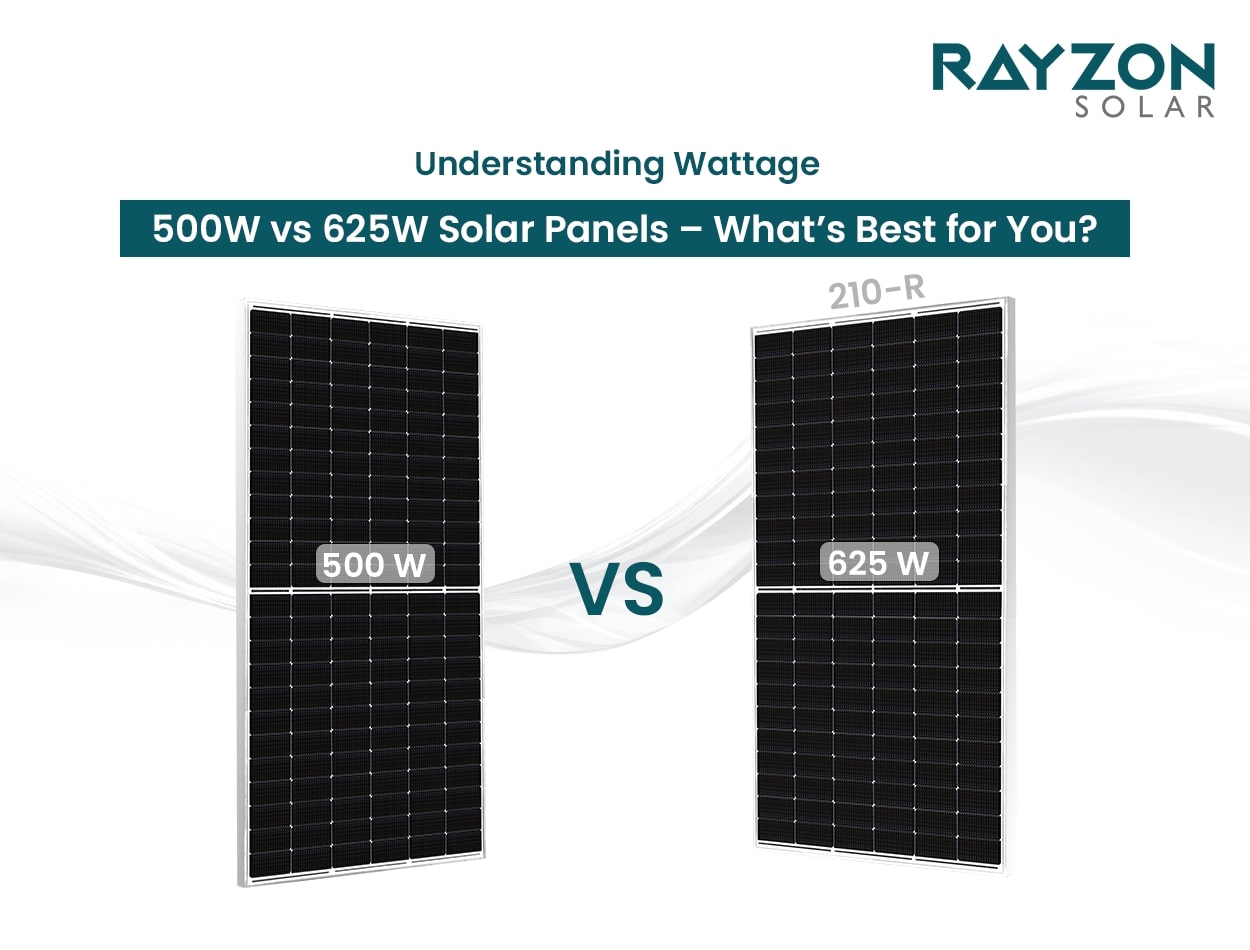
The shift to 210mm silicon wafers has changed utility-scale solar manufacturing. Larger wafers enable higher module power and reduce the number of modules required per megawatt. At first glance, this lowers installation costs. However, project economics depend on more than module wattage.
Transportation is the first challenge. Modules built on 210mm wafers are larger and heavier. They require optimized packaging, careful handling, and efficient logistics. Any increase in transportation complexity can affect delivery schedules and project costs.
Tracker compatibility also deserves attention. Larger modules create higher mechanical loads because of increased surface area and wind exposure. Developers often need stronger tracker structures or revised layouts. These changes may offset some of the savings achieved by using fewer modules.
Electrical design presents another consideration. High-power modules based on 210mm wafers typically operate at higher current levels. Existing string inverters and electrical components may have input current limitations. Project designers must verify inverter compatibility to avoid clipping losses or redesign the DC architecture.
Balance-of-System (BOS) costs further influence the business case. Larger modules reduce cable runs, connectors, mounting hardware, and installation labour. Yet they may require stronger mounting structures, revised tracker designs, and updated installation practices. The final BOS outcome depends on site conditions rather than module size alone.
The most important metric remains the Levelized Cost of Electricity (LCOE). Lower module count can reduce capital expenditure and installation time. Independent studies have shown that 210mm modules can lower BOS costs and improve LCOE in well-optimised utility-scale projects. However, these benefits vary with site layout, tracker selection, inverter configuration, logistics, and local engineering practices.
The economics of 210mm wafers should therefore be evaluated at the system level. Success depends on balancing manufacturing efficiency with transportation, structural design, electrical compatibility, and long-term energy yield. For manufacturers and developers alike, project optimisation—not wafer size alone—ultimately determines the lowest cost of solar energy.