Why Cell-to-Module (CTM) Losses Decide Real Factory Competitiveness
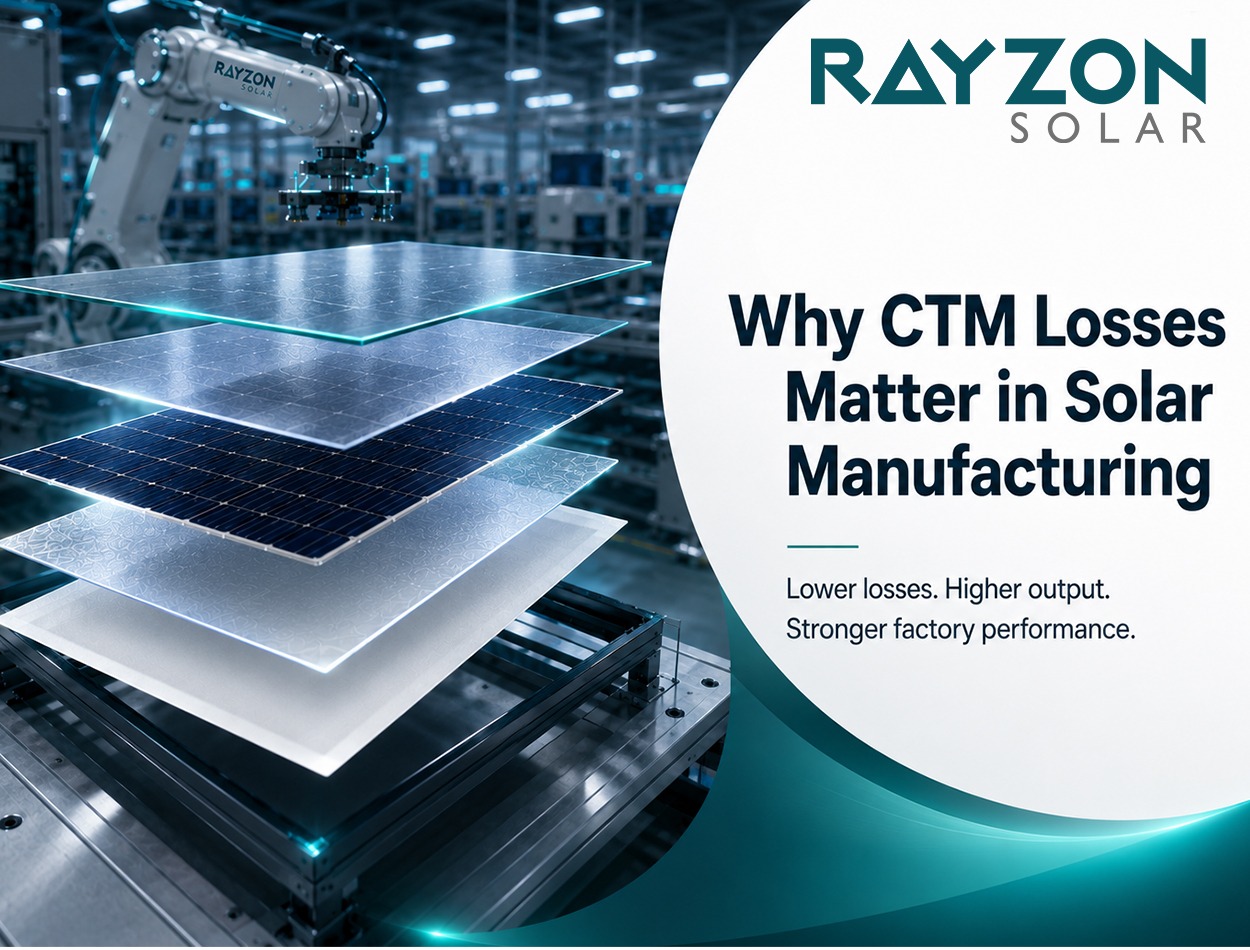
Solar cell efficiency tells only part of the story. The real benchmark is how much of that power reaches the finished module. This difference is known as Cell-to-Module (CTM) loss. Even a 1–2% reduction in CTM losses can significantly improve module output and factory profitability.
CTM losses occur during module assembly. Manufacturers must optimize every production stage to preserve cell performance.
Ribbon Resistance Matters
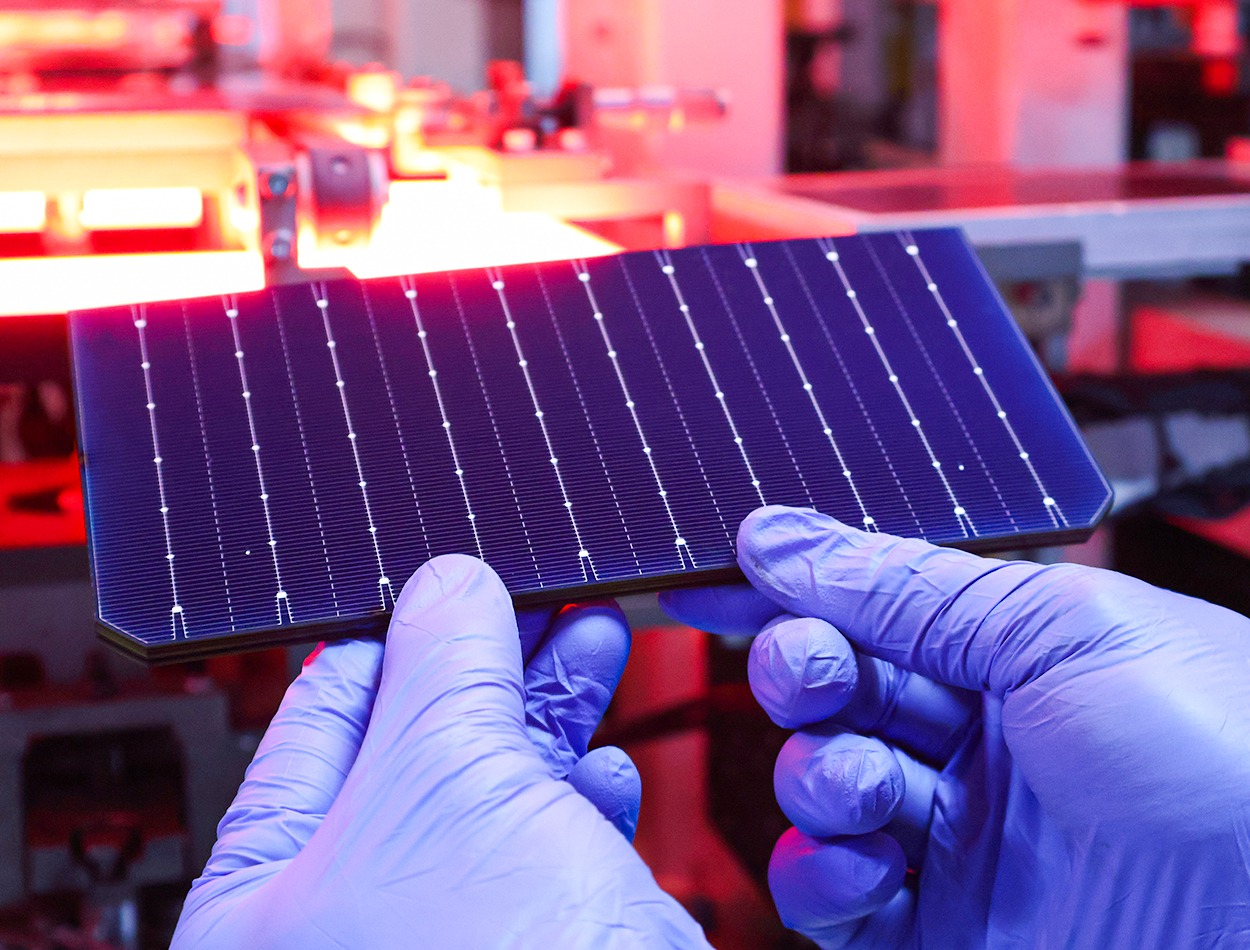
Interconnection ribbons carry electrical current between cells. High electrical resistance generates heat and reduces power output. Modern multi-busbar and round ribbon designs lower resistance by reducing contact area and improve current collection. These technologies also reduce shading on the cell surface.
Optical Losses Reduce Energy Capture
Glass, encapsulants, and reflective materials influence how much sunlight reaches the solar cells. Anti-reflective coatings, high-transmittance glass, and optimized module layouts improve light absorption. Better optical management increases module efficiency without changing the solar cell.
Encapsulation Protects Performance
Encapsulation materials do more than protect modules from moisture and UV exposure. They also affect light transmission and long-term reliability. High-quality encapsulants maintain optical clarity throughout the module's operating life. This helps preserve power generation for decades.
Interconnection Architecture Improves Output
Advanced interconnection technologies such as multi-busbar (MBB), half-cut cells, and shingled designs shorten current paths and reduce resistive losses. These architectures distribute electrical current more efficiently and improve module reliability under real operating conditions.
Manufacturing Excellence Creates Competitive Advantage
Factory precision determines CTM performance. Accurate stringing, controlled lamination process, consistent soldering, and strict quality inspections minimize manufacturing defects. Industry leaders continuously optimize these processes to keep CTM losses below 2-3%, improving energy yield and reducing the levelized cost of electricity (LCOE).
As solar technology advances, reducing CTM losses remains one of the most effective ways to increase module efficiency. Manufacturers that optimize materials, design, and production processes deliver higher-performing modules while strengthening their competitive position in the global solar market.