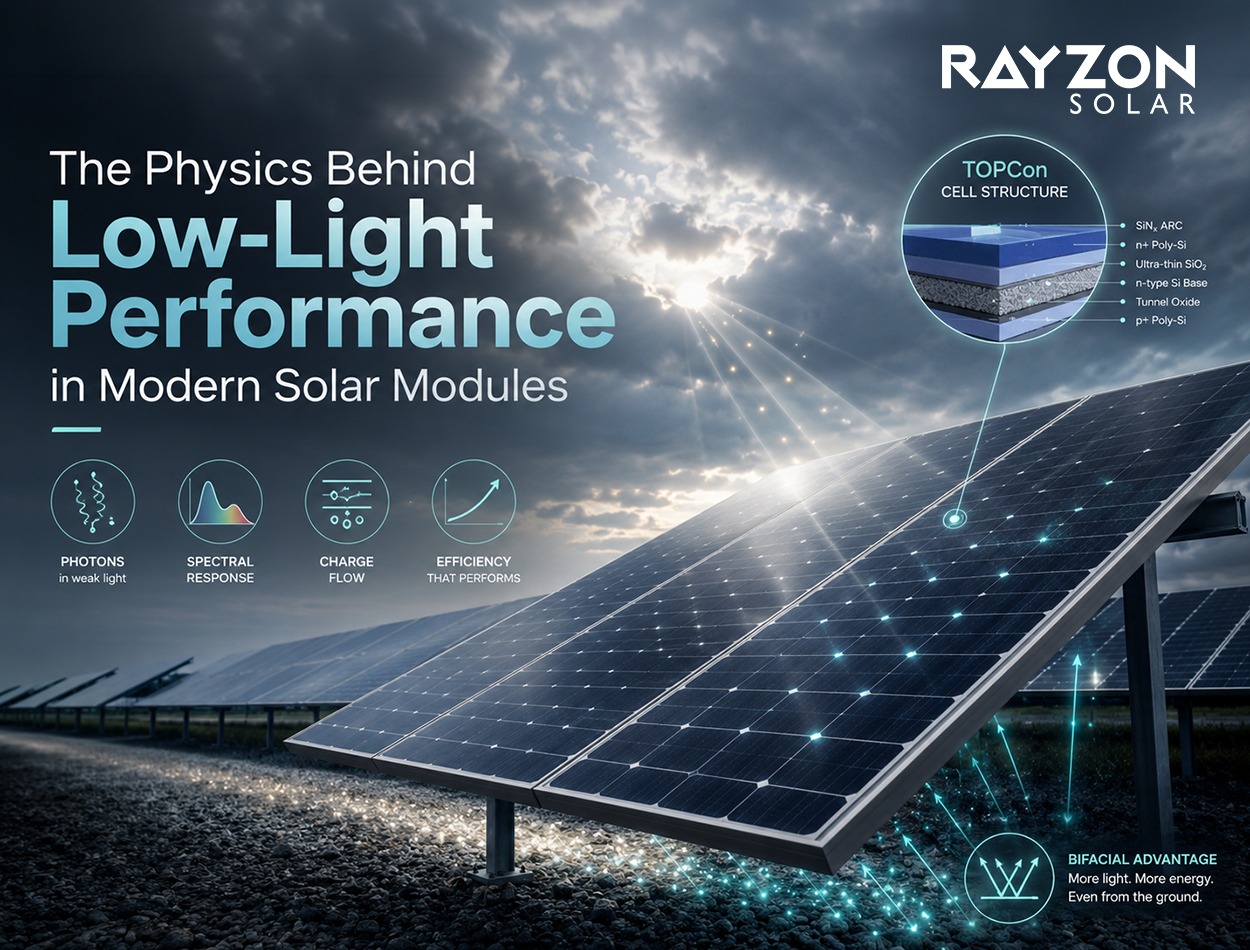
The Physics Behind Low-Light Performance in Modern Solar Modules
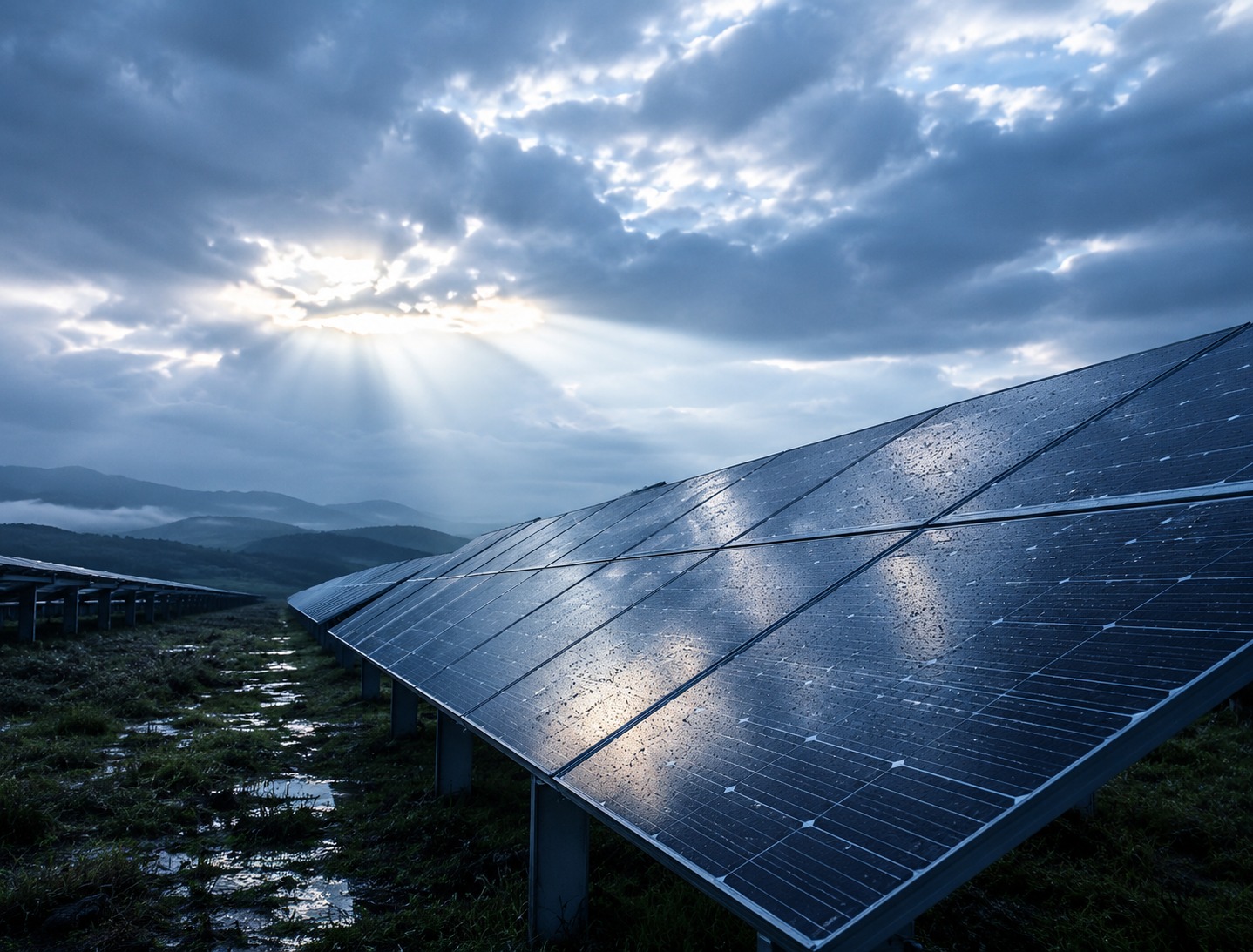
Solar modules generate electricity whenever photons strike photovoltaic cells. However, sunlight intensity changes throughout the day. Early mornings, cloudy skies, winter conditions, and shaded environments expose modules to low-light conditions. Modern technologies now help solar modules maintain higher energy output even when irradiance drops.
Unlike peak sunlight, low-light conditions contain a higher proportion of diffuse irradiance. Diffuse light reaches solar panels after scattering through clouds, dust, and atmospheric particles. High-performance solar cells capture this scattered light more efficiently because of their improved spectral response—the ability to convert photons across a wider range of wavelengths into electricity.
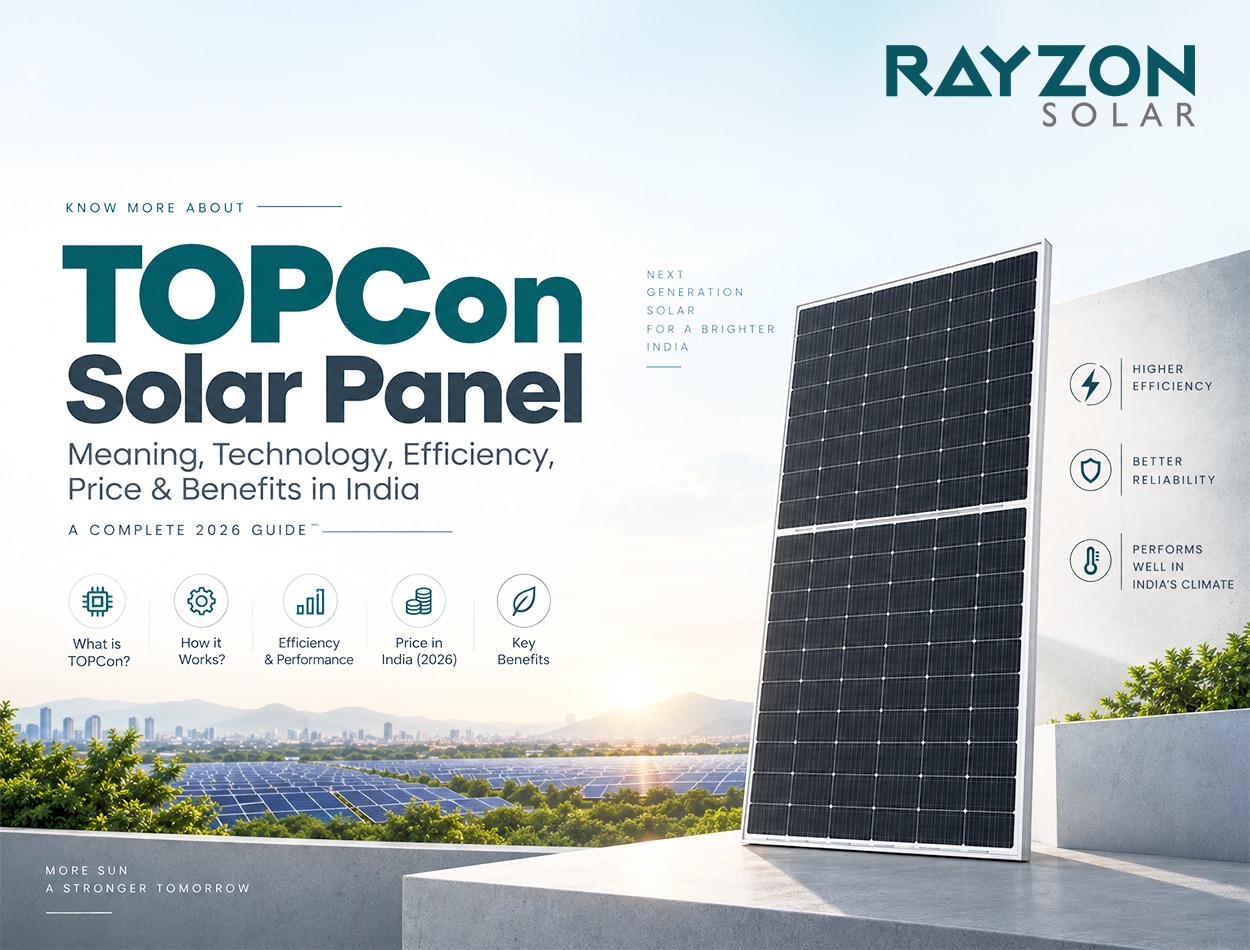
TOPCon (Tunnel Oxide Passivated Contact) technology enhances carrier selectivity and reduces recombination losses. As a result, TOPCon modules maintain higher efficiency under reduced irradiance than conventional PERC modules. Industry studies report that TOPCon modules typically achieve up to 1–2% higher energy yield annually, with noticeable gains during mornings, evenings, and overcast conditions.
Heterojunction (HJT) technology also delivers excellent low-light performance. Its superior surface passivation and lower temperature coefficient enable efficient operation under weak sunlight. HJT modules generally exhibit slightly better low-light conversion efficiency than TOPCon modules. However, TOPCon offers an attractive balance between performance, scalability, and manufacturing cost, making it one of the fastest-growing technologies in the global solar market.
Bifacial solar modules further improve energy generation by capturing reflected sunlight from the rear side. Depending on ground reflectivity (albedo), installation height, and site design, bifacial gain typically ranges between 5% and 30%. This additional energy production becomes particularly valuable during cloudy weather, winter months, and locations with highly reflective surfaces such as concrete or snow.
According to the International Energy Agency (IEA), improvements in cell architecture and passivation continue to increase photovoltaic efficiency while reducing electricity costs worldwide. As module technologies evolve, optimizing spectral response, minimizing recombination losses, and maximizing diffuse light utilization remain critical for achieving higher annual energy yields.
For project developers and asset owners, selecting advanced TOPCon or bifacial modules means better energy generation across varying weather conditions, not just under ideal sunshine. Strong low-light performance translates into higher annual production, improved project economics, and greater long-term reliability.