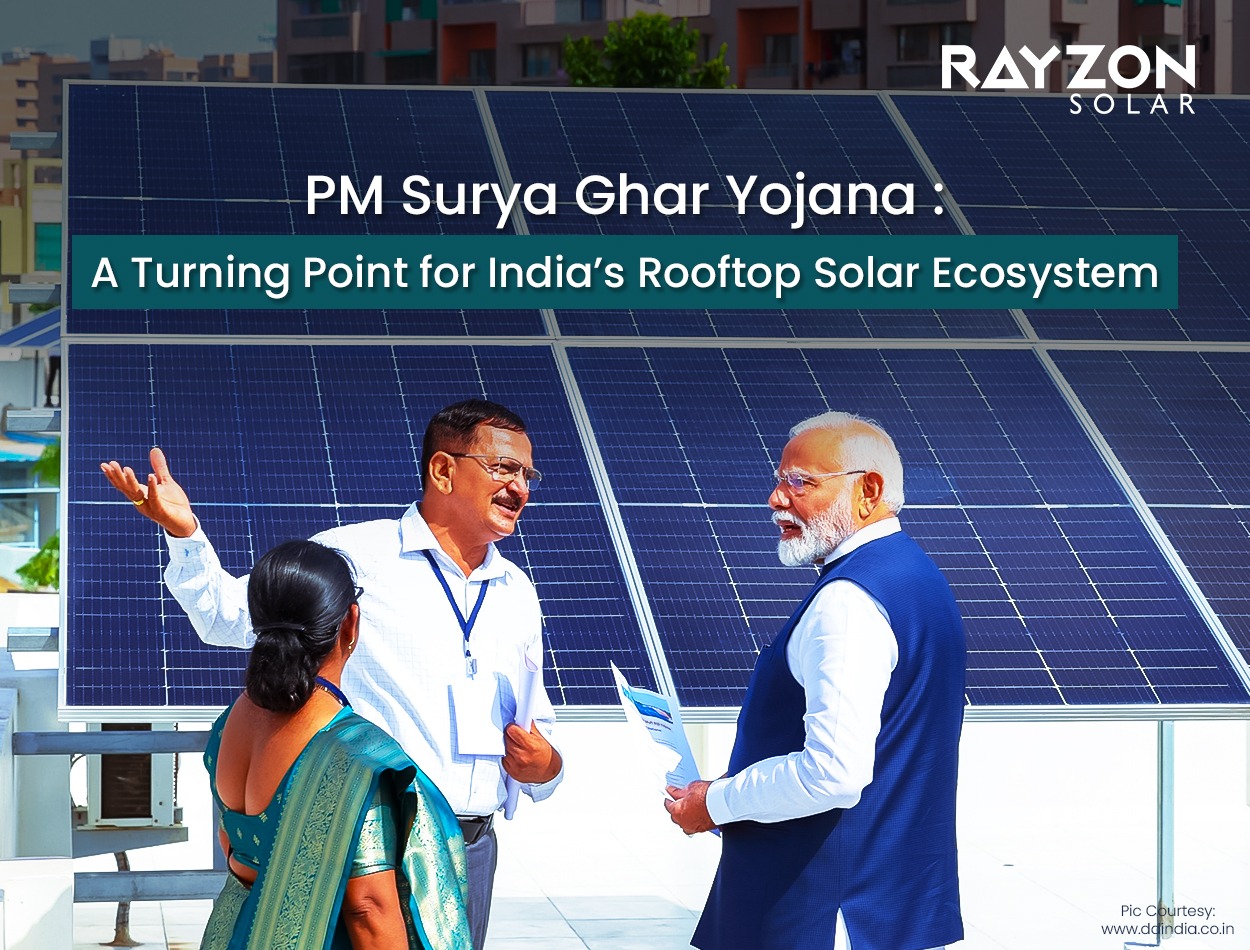
India’s renewable energy journey has entered a decisive phase. With the launch of PM Surya Ghar: Muft Bijli Yojana, the government has sent a clear signal—solar power is no longer optional; it is foundational to India’s energy future. While the scheme is widely discussed for its residential benefits, its deeper impact lies in how it reshapes the entire solar value chain. From manufacturing to System Integrators, from financiers to distribution partners, PM Surya Ghar Yojana creates a ripple effect that directly strengthens India’s B2B solar ecosystem.
Read More..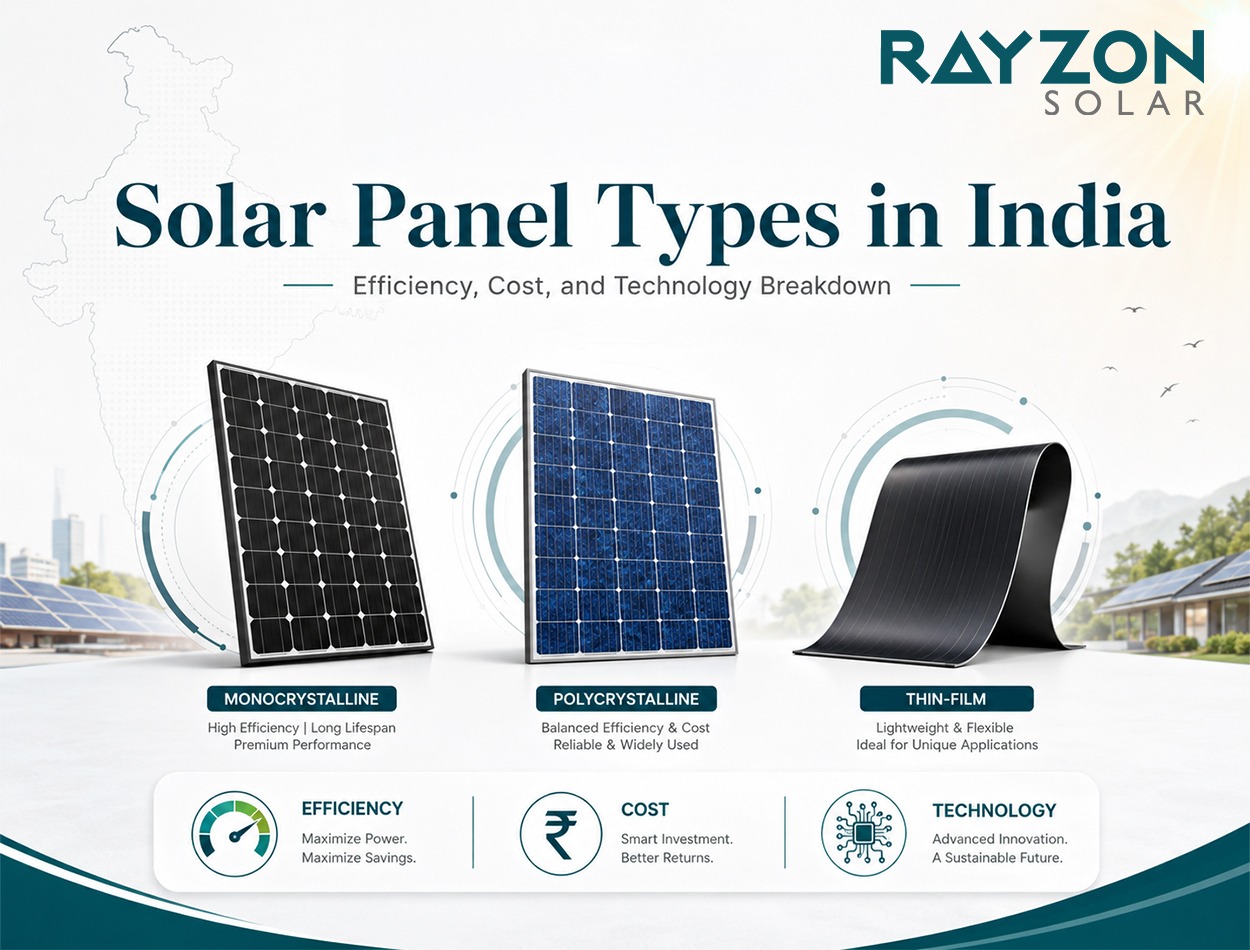
Choosing from the various types of solar panel is the first step toward achieving total energy independence for Indian households. Since each of the types of solar panel interacts differently with our high-heat environment, selecting the correct technology is vital for long-term ROI. In 2026, the Indian energy landscape is shifting rapidly, with electricity tariffs in states like Gujarat increasing by 5% to 8% annually, making the adoption of rooftop solar a financial necessity rather than just an environmental choice.
Read More..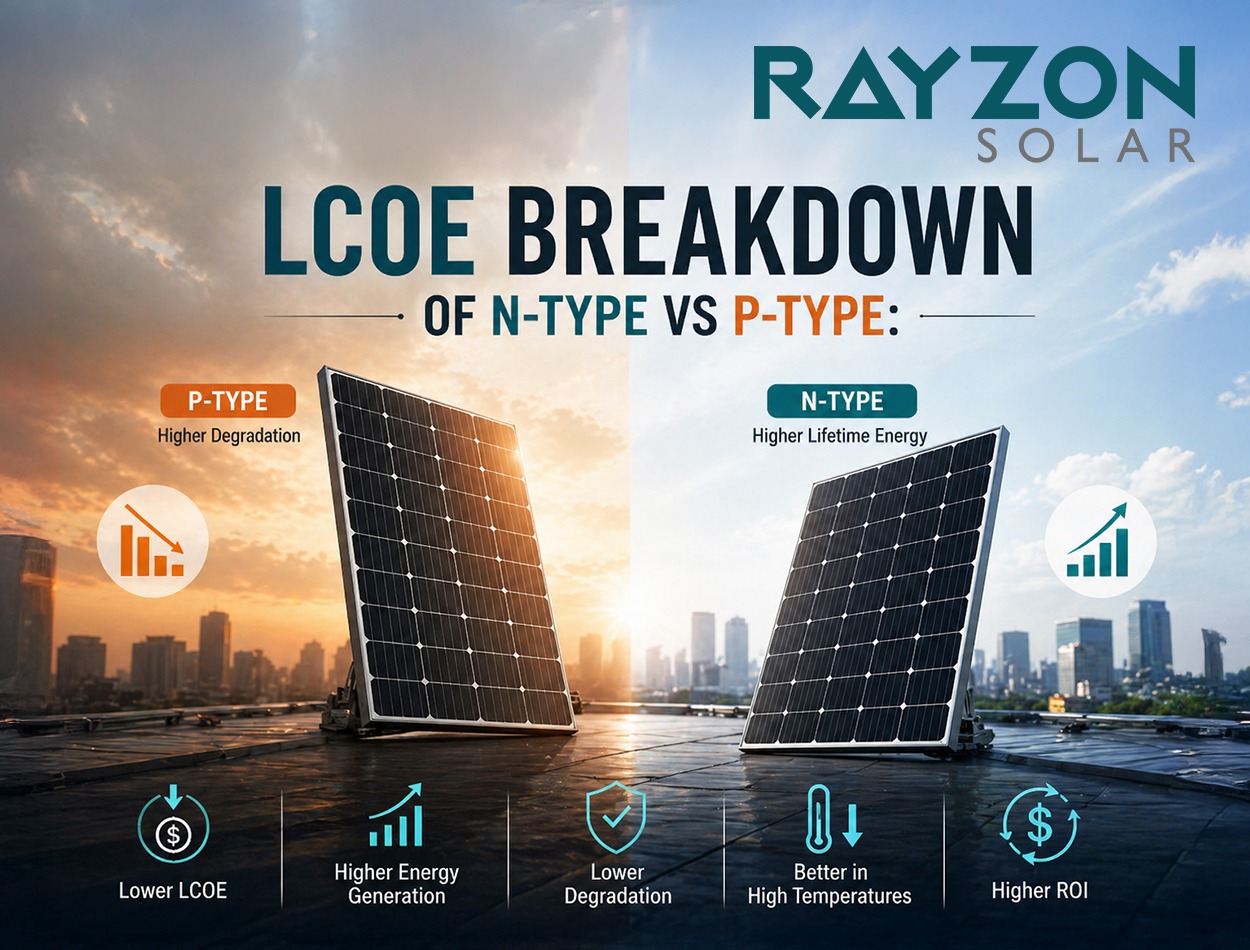
When solar projects are evaluated, most discussions stop at module price. But Levelized Cost Of Energy (LCOE) is not decided on day one. It is decided over the lifetime of solar modules. The longer the solar modules keep generating energy as expected or better than expectations, the faster would-be Return on Investment (ROI) and lowest would the LCOE.
Read More..